
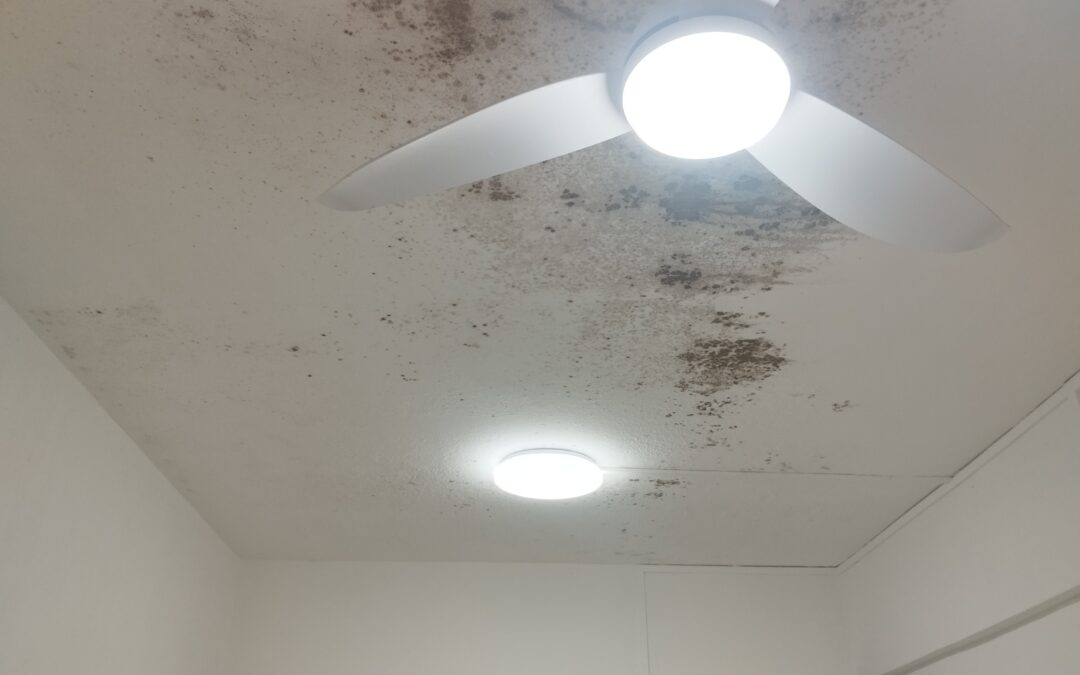
Ceiling Leaks Singapore: Common Causes in HDB and Condo Homes
Ceiling leaks Singapore homeowners experience are usually caused by bathroom waterproofing failure, plumbing leaks, or water seepage through floor slabs. In high-rise housing such as HDB flats and condominiums, bathrooms are stacked vertically. This means water problems in an upper unit can quickly appear as ceiling stains, bubbling paint, or dripping water in the unit below. Understanding the common causes of ceiling leaks helps homeowners detect problems early and arrange proper repairs before the damage worsens.
Why Ceiling Leaks Are Common in Singapore Homes
Ceiling leaks frequently occur in Singapore because most residential properties are high-rise buildings. Units share the same structural floor slabs, which means water seepage from one unit can affect another.
The tropical climate also contributes to the problem. Constant humidity, frequent showers, and daily water exposure can slowly weaken grout, sealants, and waterproofing systems over time.
Bathroom Waterproofing Failure
One of the most common causes of ceiling leaks Singapore residents encounter is failed bathroom waterproofing.
Bathrooms are constructed with a waterproof membrane beneath the floor tiles to prevent water from penetrating the concrete slab. When this membrane deteriorates due to age, poor workmanship, or renovation works, water can gradually seep into the slab and eventually appear as a leak in the ceiling below.
When waterproofing problems occur, proper bathroom waterproofing repair may be required to restore the protective barrier.
Damaged Tiles and Grout
Cracked tiles or deteriorated grout can also allow water to penetrate beneath bathroom flooring.
Although grout is not the main waterproof barrier, it helps reduce water penetration between tiles. When grout cracks form, water can seep through and accumulate beneath the tile layer.
Over time, this trapped moisture may seep through the slab and cause ceiling stains in the unit below.
Hidden Plumbing Leaks
Some ceiling leaks Singapore homes experience originate from plumbing problems rather than waterproofing failure.
Concealed pipes inside walls or floor slabs may leak due to corrosion, loose fittings, or ageing plumbing materials.
Warning signs of plumbing leaks include:
- Sudden wet patches on ceilings
- Persistent dripping water
- Rapidly expanding stains
- Unexpected increases in water bills
Structural Cracks in the Floor Slab
Structural cracks in the concrete slab can sometimes allow water seepage between floors.
These cracks may form due to building movement, renovation drilling, or long-term structural stress. Once water enters the crack, it can travel through the slab and appear as a ceiling leak.
Renovation Work That Damages Waterproofing
Improper renovation work is another reason ceiling leaks develop in many homes.
Bathroom renovations often involve hacking tiles and replacing fixtures. If the waterproofing membrane is not properly reinstated afterward, water may penetrate the slab.
Other renovation-related issues include:
- Poorly installed floor traps
- Improper sealing around pipes
- Drilling through bathroom floors
- Incorrect waterproofing application
When leaks persist, homeowners should arrange inspection by professional leak repair specialists to determine the exact cause.
Warning Signs of Water Seepage
Ceiling leaks usually begin with subtle symptoms before visible dripping occurs.
Common warning signs include:
- Yellow or brown ceiling stains
- Bubbling or peeling paint
- Mould growth or musty smells
- Damp ceiling surfaces
- Water dripping from light fixtures
What Homeowners Should Do
When ceiling leaks appear, homeowners should first document the affected area with photographs and observe whether the problem worsens after bathroom use.
The neighbour living above should also be informed so both units can coordinate inspection.
Temporary cosmetic fixes such as repainting the ceiling should be avoided because they hide the problem without stopping the underlying water seepage.
For HDB flats, repair procedures and responsibilities may involve guidance from HDB.
Homeowners facing persistent leaks can also review solutions for HDB ceiling leak repair.
When Professional Repair Is Necessary
Professional repair is recommended when ceiling leaks persist, stains expand, mould appears, or waterproofing failure is suspected.
Specialist contractors can determine whether the appropriate solution involves grout repair, waterproofing injection, plumbing rectification, or complete waterproof membrane replacement.
Early repair helps prevent structural damage and reduces the risk of more extensive ceiling restoration work.
Frequently Asked Questions
What causes ceiling leaks in Singapore homes?
The most common cause is bathroom waterproofing failure in the upper unit, particularly in older HDB flats and condominiums.
Can cracked grout cause ceiling leaks?
Yes. Cracked grout allows water to seep beneath tiles, which may eventually penetrate the slab and cause ceiling leaks.
Are ceiling leaks always from the upstairs unit?
Often yes, but leaks can also originate from plumbing defects or structural cracks.
Can repainting the ceiling solve the problem?
No. Painting only hides the stain. The water source must be repaired first.
When should I call a contractor?
A contractor should inspect the leak when stains expand, mould appears, or the problem continues for several days.