
Introduction
Ceiling leaks in Singapore properties are rarely superficial issues. In many HDB flats and condominiums, water seepage originates from failed bathroom waterproofing membranes, deteriorated pipe penetrations, or concealed plumbing defects in the upper unit.
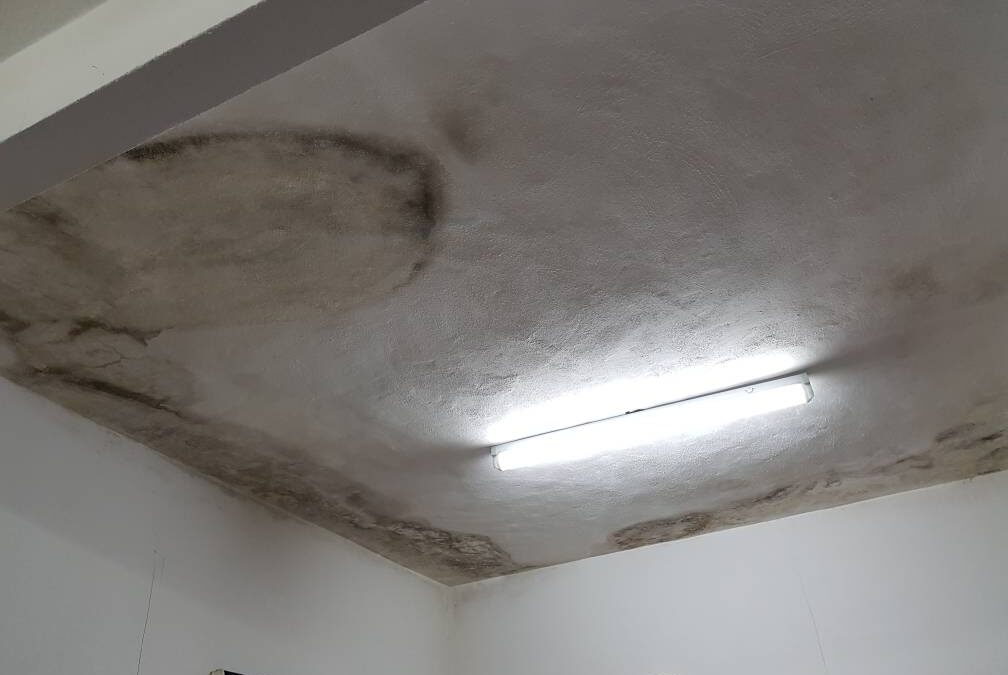
Although ceiling stains may initially appear cosmetic, prolonged slab saturation can weaken paint adhesion, encourage mould growth, and escalate into neighbour disputes if the underlying cause is not properly addressed.
This guide explains how ceiling leaks develop in reinforced concrete slabs, how to identify early warning signs, and when professional rectification becomes necessary.
How Ceiling Leaks Develop in Reinforced Concrete Slabs
Most residential buildings in Singapore are constructed using reinforced concrete slabs. When waterproofing layers fail, water does not immediately drip through the ceiling. Instead, it travels gradually within the slab.
Common seepage pathway:
-
Surface water penetrates cracked grout or deteriorated sealant.
-
Water bypasses compromised waterproofing membranes.
-
Moisture spreads laterally within the concrete slab.
-
Staining or bubbling appears at the weakest ceiling point below.
Because water can travel horizontally before appearing, the visible ceiling stain is often not directly below the source of leakage.
This is why accurate source confirmation is critical before carrying out any ceiling restoration works.
If you are experiencing active ceiling seepage, refer to our professional Ceiling Leak Repair Singapore service for structured inspection and rectification.
Early Signs of Ceiling Leakage
Ceiling leaks usually develop gradually. Early indicators include:
-
Light brown or yellow water stains
-
Bubbling or peeling paint
-
Damp patches that expand over time
-
Musty odour near affected areas
-
Hairline cracks accompanied by moisture
-
Stains that worsen after upper unit shower usage
Addressing seepage early reduces repair scope and prevents prolonged slab saturation.
Common Causes of Ceiling Leaks in Singapore
1. Waterproofing Membrane Deterioration
Bathroom waterproofing membranes degrade over time due to ageing, movement, or improper installation. Once compromised, water can penetrate into the slab.
Where waterproofing failure is identified, proper membrane rectification is required. Learn more about our Bathroom Waterproofing Singapore services.
2. Improper Renovation Works
Tile hacking without proper membrane reinstatement can create long-term seepage pathways. In many cases, leaks only appear months or years after renovation.
3. Concealed Pipe Leakage
Water supply or discharge pipes embedded within slabs may develop leaks due to corrosion, joint failure, or mechanical stress.
4. Floor Trap and Pipe Sleeve Penetration Defects
Improper sealing around floor traps or pipe sleeves allows direct water ingress into the slab structure.
Common Ceiling Leak Misdiagnosis Mistakes
Many homeowners attempt cosmetic fixes before identifying the true source of seepage. Common mistakes include:
-
Repainting stained ceilings without drying the slab
-
Sealing visible cracks without investigating upstream waterproofing
-
Assuming condensation instead of structural seepage
-
Ignoring upper unit waterproofing failure
Without proper diagnosis, ceiling stains often reappear within months.
For HDB flats specifically, structured coordination between affected units may be required. See our detailed HDB Ceiling Leak Repair Singapore guide for a full process overview.
When Professional Rectification Is Required
Professional inspection becomes necessary when:
-
Stains continue expanding
-
Paint bubbling reoccurs after repainting
-
Dripping occurs during upper unit bathroom usage
-
Mould growth develops
-
Ceiling boards begin sagging
Proper rectification typically involves:
-
Moisture mapping and source confirmation
-
Waterproofing membrane reinstatement (if required)
-
Plumbing repair where concealed pipe leakage is detected
-
Controlled drying before ceiling restoration
Cosmetic patching alone is rarely a permanent solution.
Real Case Example: HDB Ceiling Leak Rectification
In a recent HDB case in Tampines, ceiling staining was caused by bathroom waterproofing membrane failure in the upper unit.
After joint inspection and source confirmation:
-
Affected tiles were removed.
-
Waterproofing layers were reinstated properly.
-
The slab was allowed to dry.
-
The damaged ceiling surface was restored and repainted.
You may view the full project under our HDB ceiling leak repair case in Tampines for reference.
How Much Does Ceiling Leak Repair Cost in Singapore?
Costs vary depending on the underlying cause:
-
Minor surface patch repair
-
Waterproofing membrane rectification
-
Plumbing repair within slab
-
Tile hacking and reinstatement
An on-site inspection is required to determine the correct rectification scope before providing a detailed quotation.
Frequently Asked Questions
Can ceiling stains reappear after repainting?
Yes. If the source of seepage is not rectified, stains may reappear even after repainting.
How do professionals confirm waterproofing failure?
Testing methods may include controlled water exposure, moisture readings, and inspection of upper unit bathroom finishes.
Does HDB assist in ceiling leak disputes?
HDB may provide procedural guidance, but rectification responsibility depends on confirmed source of leakage.
Is hacking always required?
If waterproofing membrane failure is confirmed, proper rectification usually requires tile removal to reinstate waterproofing correctly.
Conclusion
Ceiling leaks in Singapore properties are rarely surface-level problems. Accurate diagnosis of waterproofing or plumbing defects is essential before any cosmetic restoration is attempted.
If you are facing recurring ceiling stains or active seepage, professional inspection ensures the issue is addressed at its source rather than temporarily concealed.
For structured inspection and rectification, explore our dedicated Ceiling Leak Repair Singapore and HDB Ceiling Leak Repair Singapore services.